Arctic and Antarctic Science Curriculum

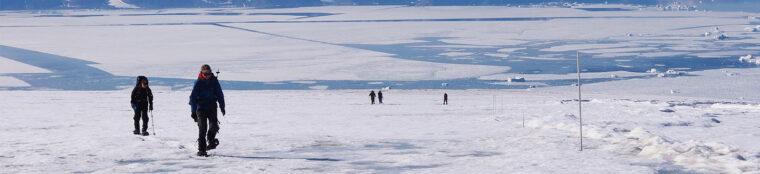
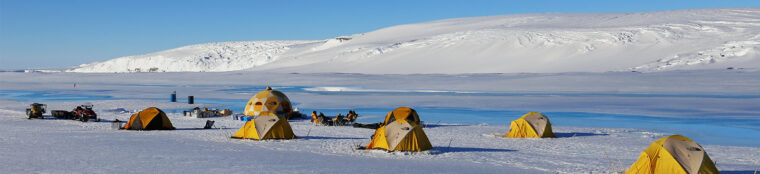
Arctic and Antarctic Science Curriculum
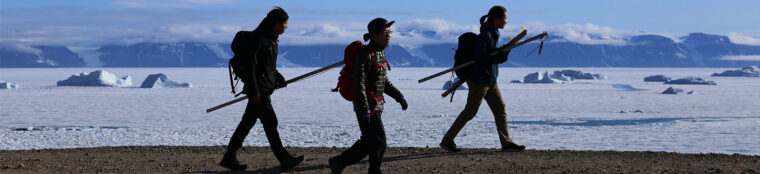
Hokkaido University has a long history in Polar Science, and has cultivated extensive expertise and human resources in the field. The Antarctic Science Curriculum was first launched in 2007 as a graduate program. It later evolved into a broader educational program encompassing the Arctic and Alpine regions. From 2026, the program will be renewed as the ‘Arctic and Antarctic Science Curriculum’.
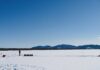
High-latitude regions, including the Arctic and Antarctic, play a unique role in the Earth’s climate system. Understanding this role requires knowledge of polar-specific atmospheric and oceanic processes, the cryospheric environment — including sea ice, glaciers and ice sheets, and permafrost — as well as marine and terrestrial ecosystems. Particularly in the Arctic, human societies and the ongoing changes are also of great importance.
The Arctic and Antarctic Studies Curriculum collaborates with domestic and international programs related to polar research and education, including ArCS III, International Antarctic Institute, and UArctic, to provide students with opportunities for comprehensive study of the polar regions. The graduate curriculum covers fields ranging from the natural sciences to the social sciences, making it globally unique.
For detailed information visit the latest brochure for Arctic and Antarctic Science Curriculum.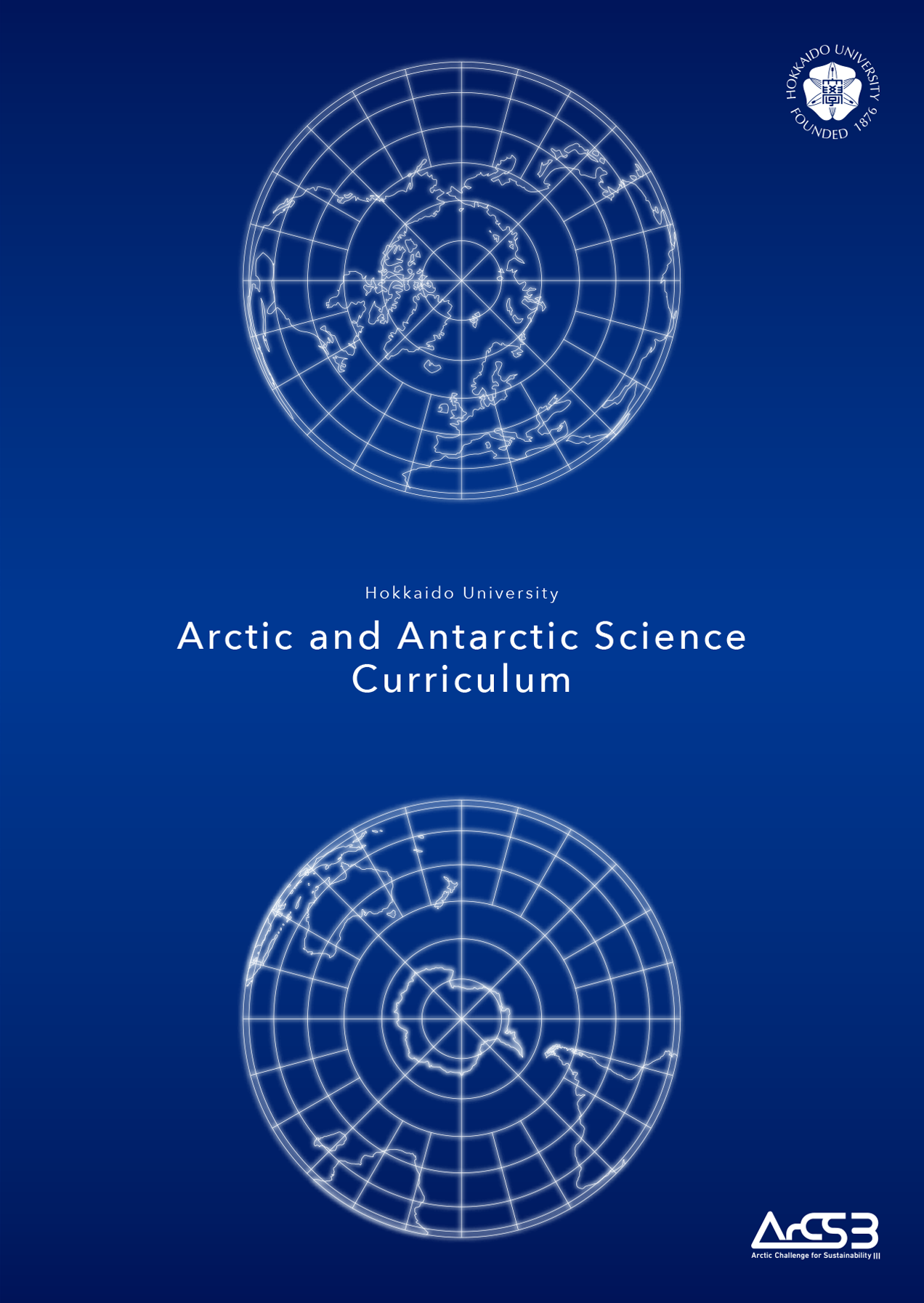
Contents

NEWS
- 2026.4.6Information Session: Swiss Glacier Field Course 2026
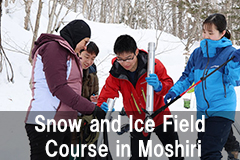
- 2026.4.6Course for Field Skills 2026
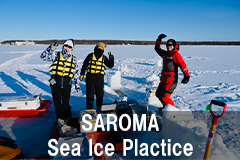
- 2025.7.7Special Course on Antarctic Science II (Sea Ice Field Course) 2025
- 2025.7.7Special Lecture on Arctic and Antarctic Science I, 2025
Activity
There is no registered post.