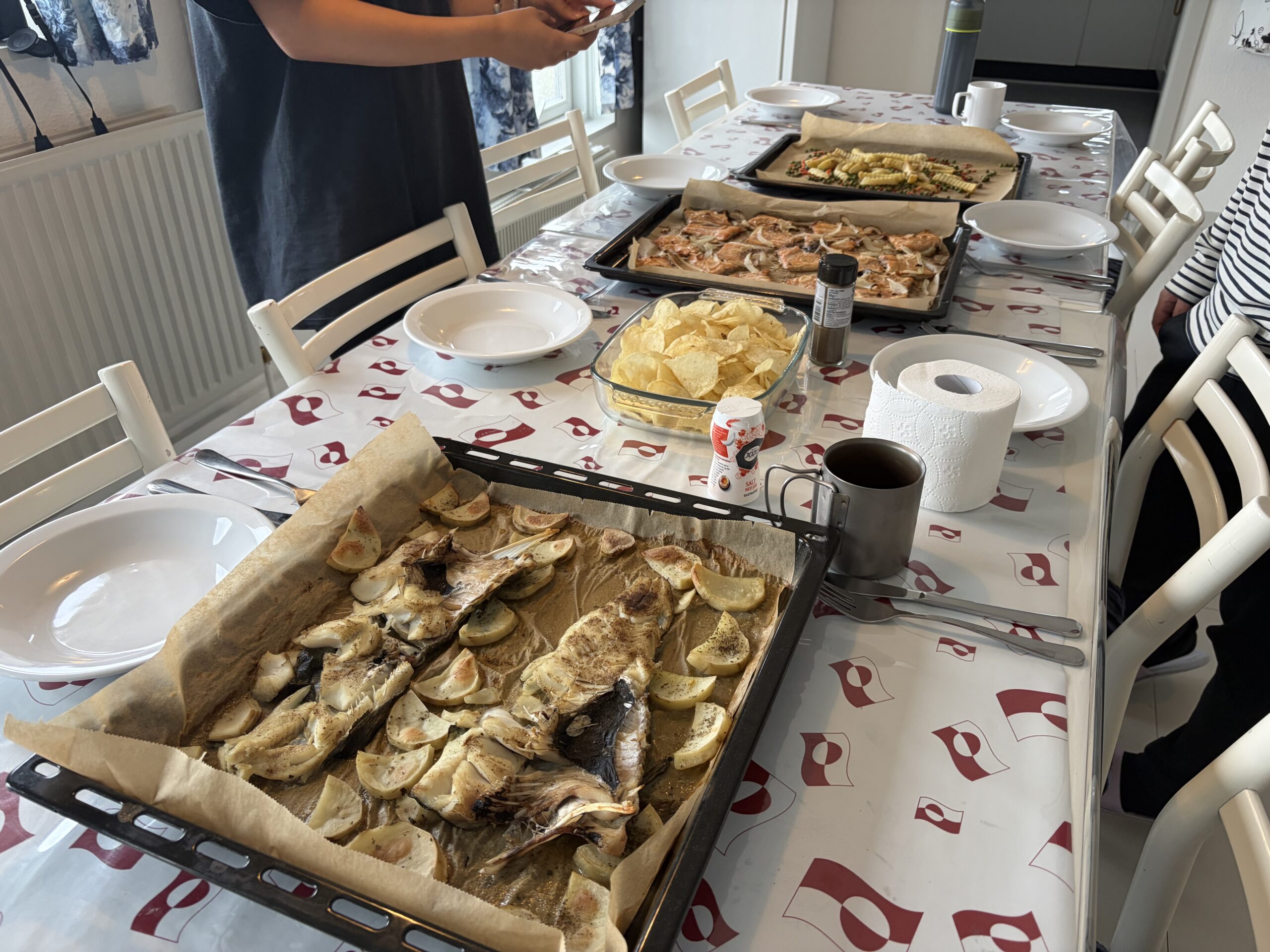
Ms. Ayami Nagai is a first-year master’s student in the Marine Bioresource Science Program at the Graduate School of Fisheries Sciences, Hokkaido University.
She conducts observations of the foraging behavior of the Little Auk in the village of Siorapaluk in northwestern Greenland, investigating how climate‑driven environmental changes affect coastal ecosystems.
Comment by Ms. Nagai:
Seabirds in Siorapaluk, the Northernmost Settlement in the World
My name is Ayami Nagai from Hokkaido University. I arrived in Siorapaluk, located in northwestern Greenland, on July 29, 2026. Siorapaluk is the northernmost permanently inhabited settlement in the world, with a population of about 35 people.
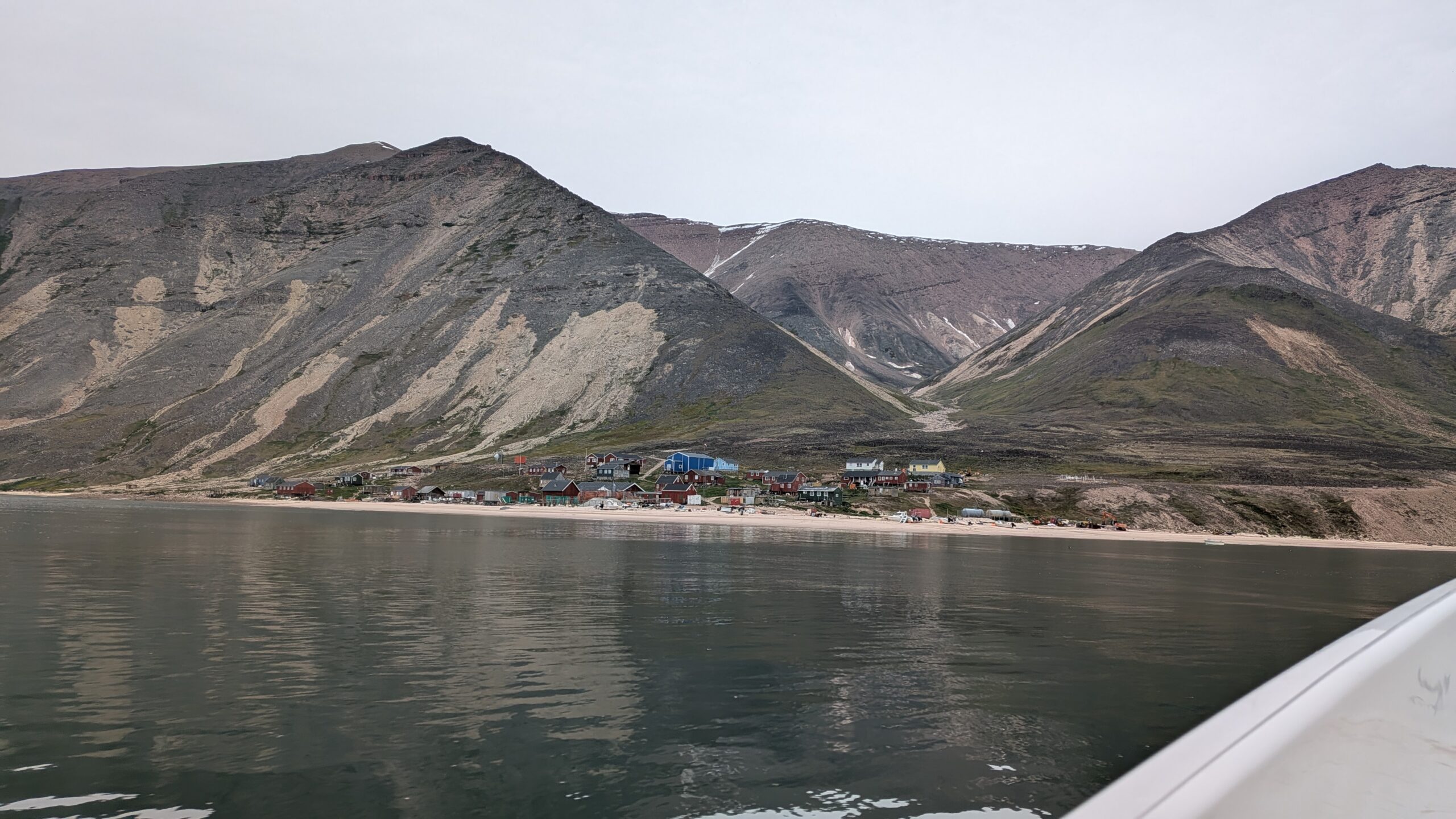
While living in this village, I am conducting surveys of seabirds that breed nearby. The species most abundant here—and the main focus of my research—is the Little Auk, a small seabird that fits in the palm of your hand.
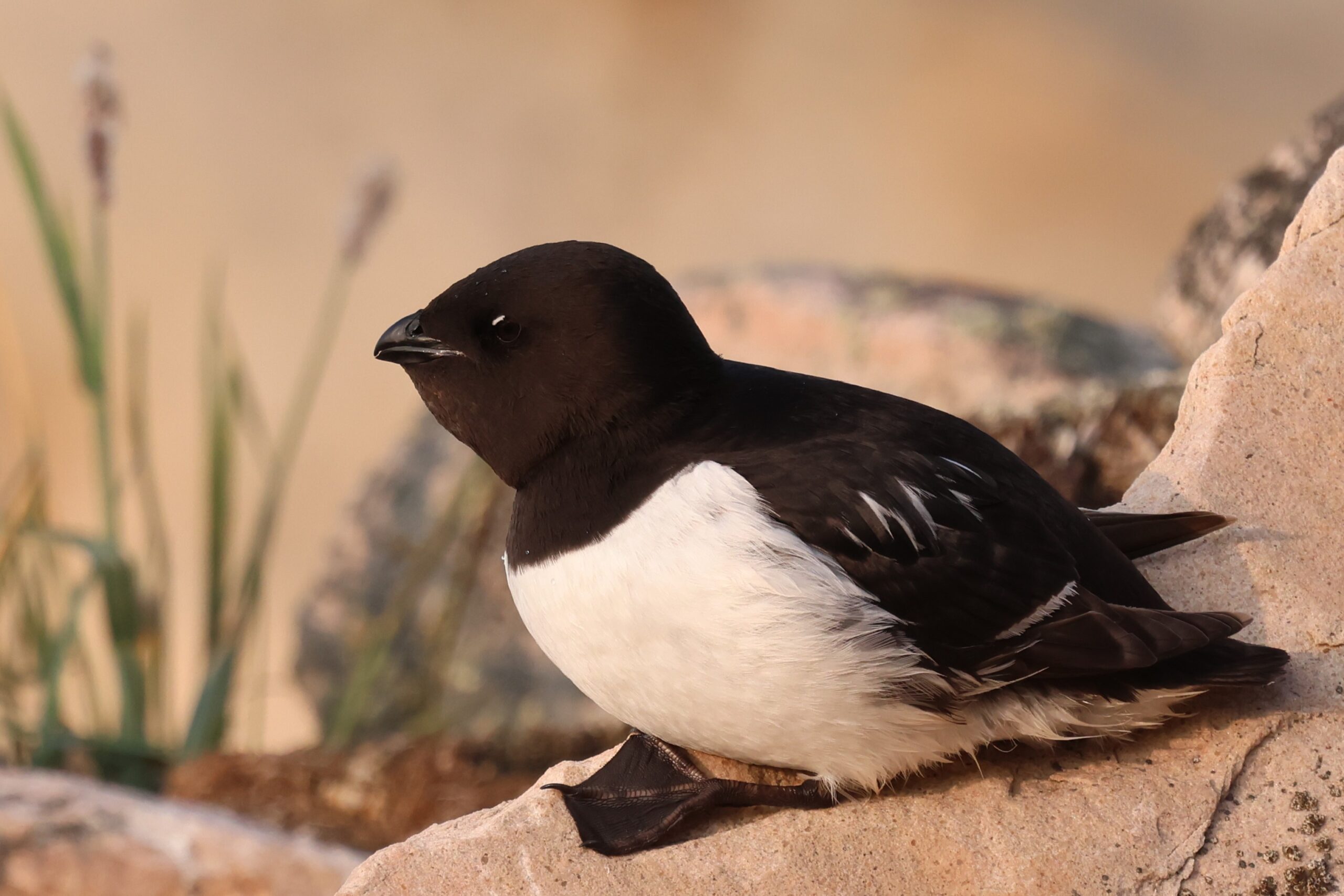
Little Auks dive underwater to catch tiny crustaceans, store them in their throat pouch, and deliver them to their chicks waiting in the nest. At present, I am attaching ultra‑small GPS loggers to adult birds to collect data on the routes they take to their foraging grounds.
Near the Little Auk colony, another species—the Black Guillemot, recognizable by its black plumage with striking white patches—also breeds.
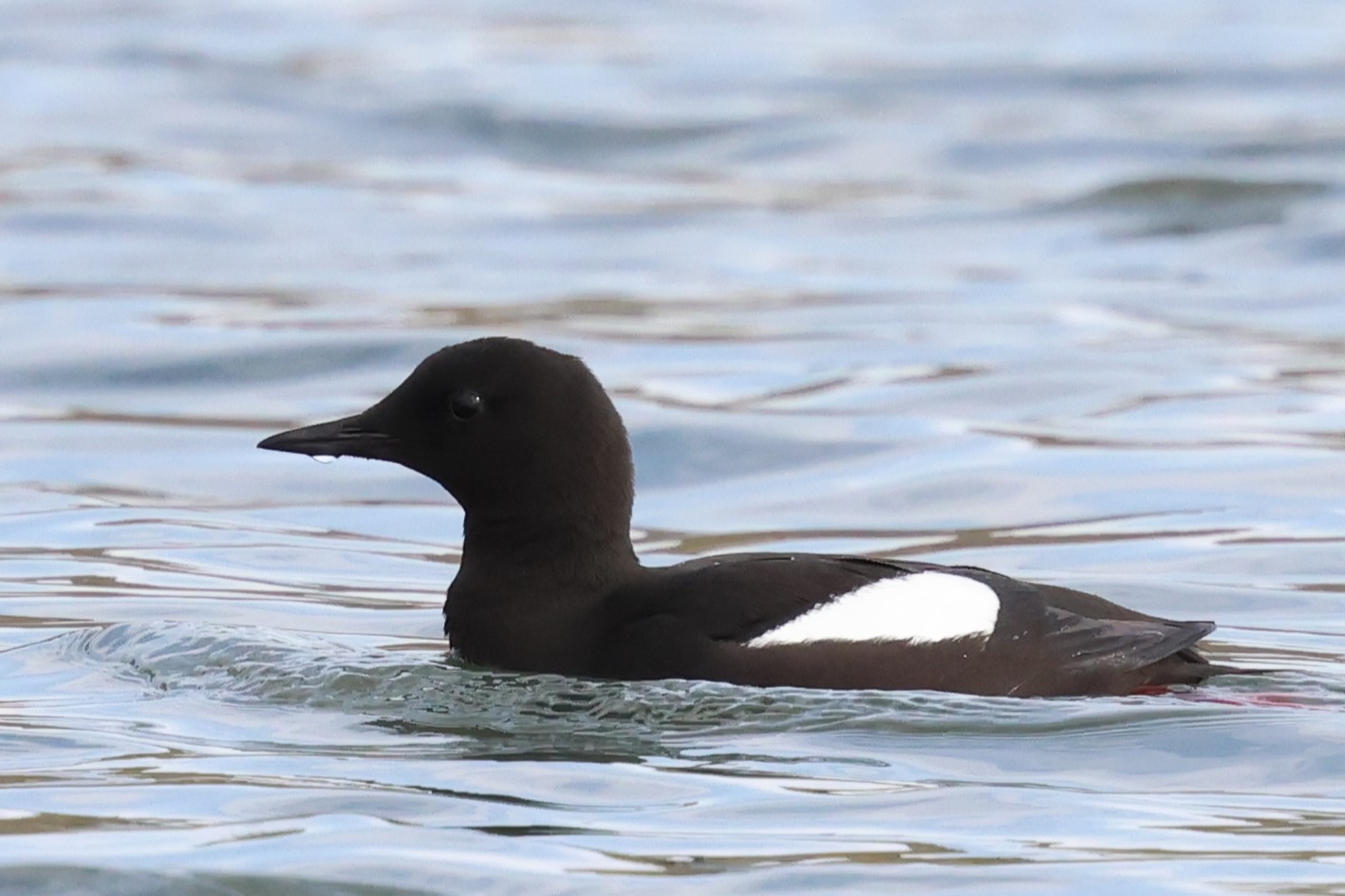
These birds nest inside crevices in the cliffs. After catching fish, the adults carry their prey in their bills and fly back toward the nest entrance.
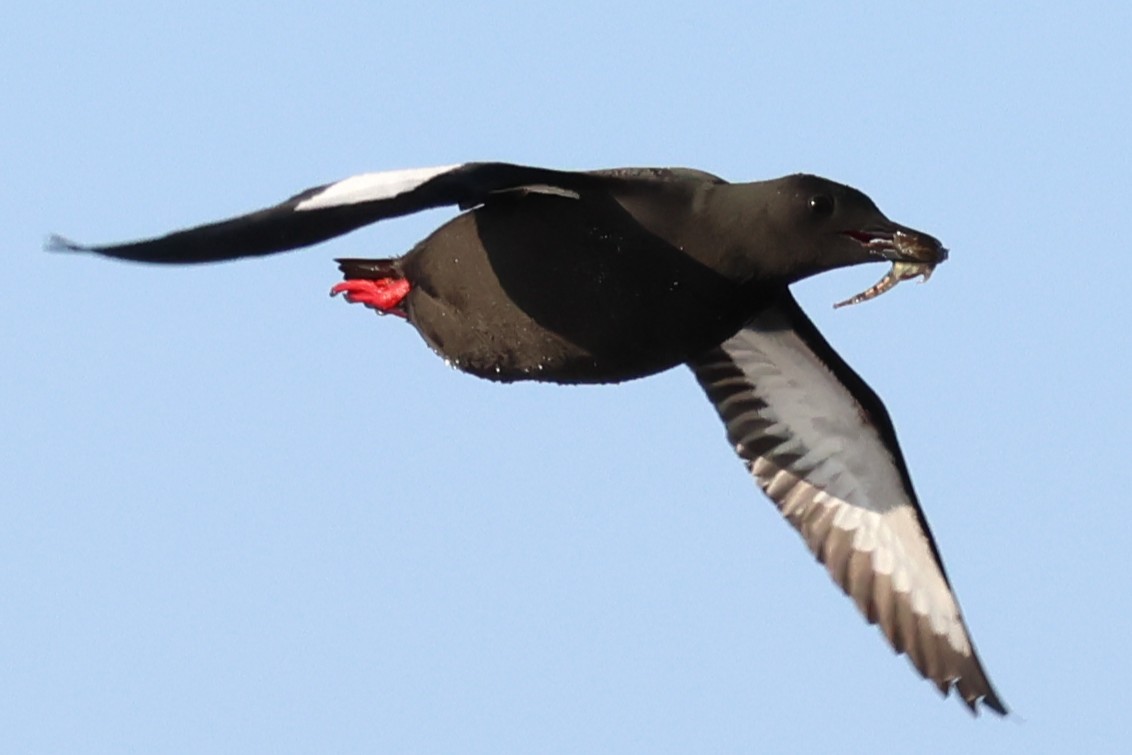
By observing this behavior, I record the number of feeding deliveries and identify the types of fish being brought in. The fish shown in the photo is locally known as “Kanayo,” a sculpin‑like species.
Although only a few days remain for fieldwork, I hope to collect as much data as possible and will continue my observations.
(Translated from Japanese by AI.)
Hokkaido University implements the “ArCS III Young Researcher Overseas Dispatch and Acceptance Program” as part of the ArCS III (Arctic Challenge for Sustainability III) project. The purpose of this program is to support the future development of Arctic-related research and operations conducted by young researchers, as well as to foster international human networks that will contribute to long-term advancement in the field.
For more information, please visit here.